

If you’re preparing for IVF, you may feel like everything is happening fast—appointments, testing, medications, and so many big decisions all at once.
In the middle of all of that, one important piece can easily get overlooked: preparing your body before treatment begins.
Understanding how to prepare for IVF in the months before your cycle can make a meaningful difference in supporting egg quality, hormone balance, and overall fertility health.
IVF technology is incredibly advanced, but your body still plays a central role in the process. Egg quality, sperm health, hormone balance, and cellular health all matter.
The hopeful part is that many of these factors can be supported with intentional nutrition and lifestyle changes.
The 90 days before IVF can be a valuable window to nourish your body, build resilience, and head into your cycle feeling more supported.

Why the 3 Months Before IVF Matter
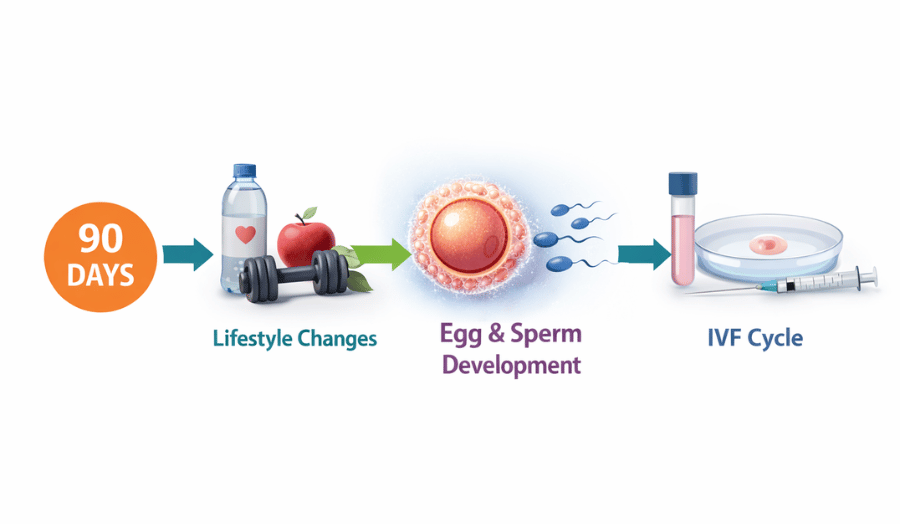
Eggs and sperm develop over time. They are not created overnight.
The final stages of egg maturation and the full sperm development cycle both take about 90 days. That means the choices you make in the three months before IVF may influence the quality of the eggs and sperm involved in your cycle.
This is one reason many fertility specialists emphasize preconception preparation before starting IVF.
During this window, your body is constantly renewing and repairing cells. Supporting your metabolism, hormone balance, and nutrient levels can help create a healthier environment for reproductive cells.
Think of this season as laying the groundwork.
Rather than feeling like you need to rush straight into treatment, taking time to strengthen your body can help you feel more grounded, more prepared, and more supported throughout the process.
How to Prepare for IVF: Your 90-Day Checklist
If you’re wondering how to prepare your body for IVF, start with the basics.
The goal is not perfection. It’s creating daily habits that support hormone balance, nutrient status, and overall metabolic health.
Your 90-day preparation may include:
- Prioritizing nutrient-dense whole foods
- Eating enough calories to support hormone health
- Getting consistent, restorative sleep
- Supporting vitamin and mineral levels
- Incorporating moderate strength training
- Reducing unnecessary stressors where possible
- Taking targeted supplements recommended by your practitioner
This preparation phase does not have to be extreme or complicated.
It’s about creating a stable, well-nourished foundation for your body before IVF medications and procedures begin.
Nutrition Changes to Make Before IVF
Nutrition is one of the most powerful tools you have when preparing for IVF.
At the same time, many women trying to conceive are unintentionally undereating, especially if they’ve spent years dieting, skipping meals, overexercising, or avoiding certain foods in the name of health.
When your body doesn’t receive enough energy, it may shift into a protective state that slows metabolism and affects hormone production.
For fertility, the body needs to feel safe, nourished, and supported.
Many women benefit from focusing on the following:
1. Eating enough calories
An active woman may need around 2,200–2,500 calories per day to support hormone balance and regular cycles. When calorie intake is too low, progesterone and thyroid function may be affected.
If that number feels surprisingly high, you’re not alone. Many women have been taught to eat far less than their bodies actually need.
2. Starting the day with protein
A nourishing breakfast can help stabilize blood sugar and support a healthier cortisol rhythm.
Aim for:
- About 30 grams of protein
- Balanced fats and carbohydrates
- A meal within the first hour of waking
3. Choosing whole, nutrient-dense foods
Focus on simple, nourishing foods such as:
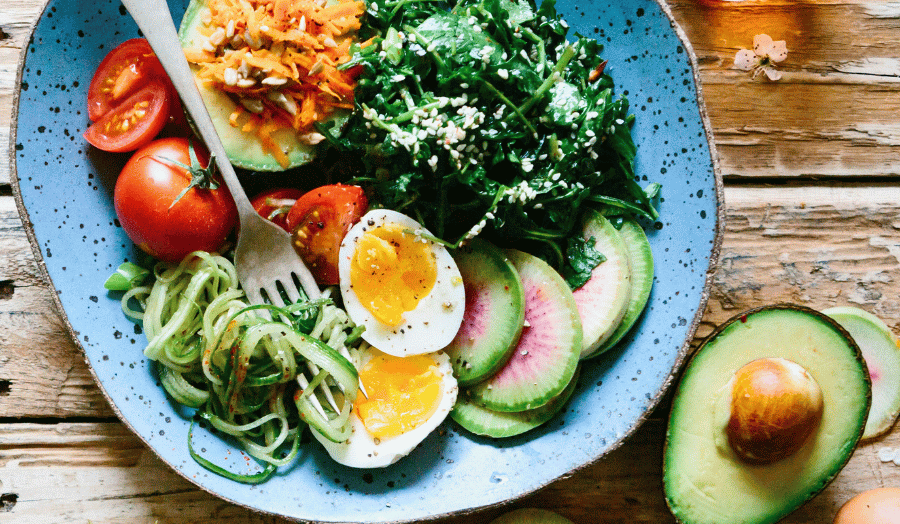
- Quality proteins like eggs, poultry, fish, and red meat
- Healthy fats like avocado, olive oil, nuts, and seeds
- Complex carbohydrates like fruit, vegetables, potatoes, and rice
Many women are surprised to hear that red meat can be an important fertility food. It provides iron, B vitamins, zinc, and protein, all of which support reproductive health.
The goal is not a perfect diet or a complicated meal plan.
The goal is steady, consistent nourishment.
Supplements to Discuss With Your Fertility Doctor Before IVF
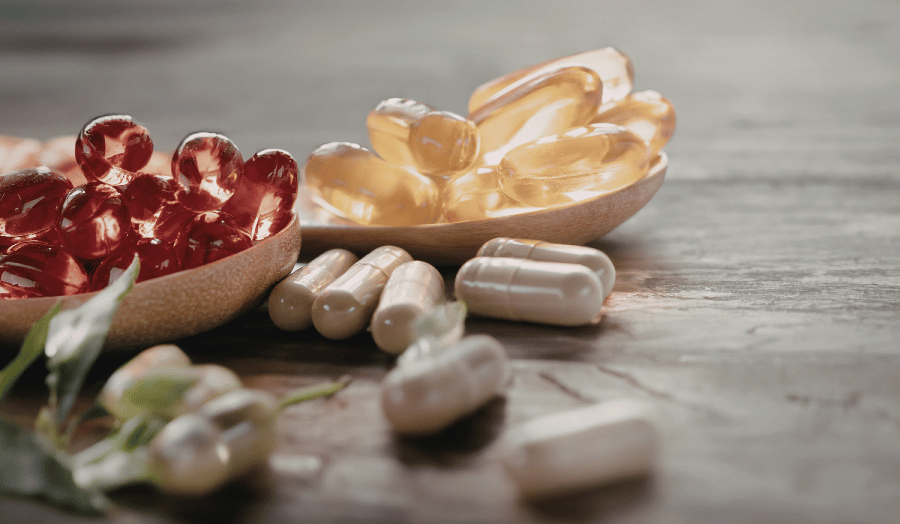
While supplements can’t replace a healthy lifestyle, certain nutrients may help support egg quality and cellular health during the IVF preparation phase.
It’s always best to discuss supplements with your healthcare provider before starting anything new.
Some commonly recommended nutrients before IVF include:
1. Prenatal vitamins
A high-quality prenatal may provide important nutrients such as:
- Folate
- Choline
- Iodine
- Iron
- B vitamins
Both partners can benefit from preconception support, not just the female partner.
2. Omega-3 fatty acids
Omega-3s support cellular health and healthy inflammation balance.
Because many people eat very little fish on a regular basis, a quality omega-3 supplement can help fill in the gap.
3. CoQ10
Coenzyme Q10 supports mitochondrial function, which is tied to how cells produce energy.
Some research suggests it may support egg quality and sperm health, especially for women over 35.
4. Vitamin D
Vitamin D plays a role in hormone balance, immune health, and reproductive function.
Optimal levels are often considered above 50 ng/mL, although many people fall below that range.
A simple blood test can help determine whether supplementation may be helpful.
Lifestyle Habits That Can Support Egg and Sperm Quality
Lifestyle habits can influence fertility more than many couples realize.
Supporting your overall health also supports your reproductive health, and small shifts can add up over time.
Here are a few habits to prioritize during the months before IVF:
1. Sleep
Sleep is one of the most overlooked fertility factors.
Aim for 7–9 hours of quality sleep each night. For some women, closer to nine hours may feel especially restorative.
Sleep helps regulate:
- Hormones
- Blood sugar
- Stress response
- Cellular repair
2. Strength training
Resistance training can support metabolic health and hormone balance.
This can be especially important for men, since strength training supports healthy testosterone levels and sperm production.
For women, gentle strength training can support energy, blood sugar balance, and overall metabolic health.
3. Sunlight and vitamin D
Natural sunlight helps regulate circadian rhythms and supports vitamin D production.
Even 20 minutes of sunlight daily can be beneficial.
4. Managing stress in realistic ways
Trying to eliminate all stress often creates even more pressure, especially during fertility treatment.
Instead of aiming for a stress-free life, focus on building in moments that help your body feel calmer and more supported.
That may include:
- Walking outside
- Connecting with supportive friends
- Journaling or prayer
- Gentle yoga
- Creative hobbies
- Doing things that make you laugh or feel more like yourself
Small moments of calm really do matter.

Common Mistakes to Avoid Before an IVF Cycle
When preparing for IVF, it’s easy to feel like you need to do everything perfectly.
But in many cases, it’s the everyday habits—not perfection—that matter most.
A few common patterns may unintentionally work against fertility health:
1. Undereating or restrictive diets
Chronic calorie restriction can affect hormone balance and make it harder for the body to feel safe enough to prioritize reproduction.
2. Excessive exercise
Overtraining may raise cortisol and, in some women, disrupt ovulation or hormone balance.
3. Constantly searching for answers online
Endless internet research, Reddit threads, and comparison can quickly increase stress and anxiety.
4. Starting too many supplements at once
More isn’t always better. A targeted, thoughtful approach is usually more helpful than taking everything at once.
Preparing for IVF should feel supportive, not punishing.
Try to focus on simple, sustainable habits you can actually maintain.
When to pull back on exercise and get support
Sometimes, even well-intentioned healthy habits can become stressful for the body.
If you’re experiencing:
- Missing periods
- Severe fatigue
- Persistent cycle irregularities
- Fertility struggles despite lifestyle efforts
…it may be helpful to step back and reassess your exercise routine alongside nutrition, sleep, and stress.
Many women discover that returning to the basics—adequate nourishment, gentle movement, restful sleep, and emotional support—can help their bodies rebalance.
The fertility journey often requires listening to your body in a new way.
When to Start Preparing for IVF if You Have Low AMH or Irregular Cycles
If you’ve been told you have low AMH, irregular cycles, or unexplained infertility, it may feel like you need to move as quickly as possible.
That sense of urgency is understandable.
Even so, taking time to prepare your body can still be valuable.
Supporting metabolic health, nutrient status, and hormone balance may improve how your body responds to IVF stimulation. It can also help you feel stronger and more supported going into treatment.
Many women feel discouraged by statistics related to fertility and age.
But numbers never tell the whole story. Every woman’s body is unique, and small improvements in overall health can still have a meaningful impact on reproductive outcomes.
Questions to Ask Your Doctor Before Starting IVF
Preparing for IVF is also a good time to have open, honest conversations with your care team.
You might consider asking:
- Should I take time to prepare my body before IVF?
- Are there nutrients or supplements you recommend?
- Should my partner also take supplements?
- Are my vitamin D and iron levels optimal?
- Are there lifestyle changes that could support my cycle?
Asking questions does not mean you’re being difficult. It means you’re being informed and involved in your care.
That can help you move forward feeling more confident and clear.
Supporting Your Body Before IVF Can Make a Difference
Learning how to prepare for IVF isn’t about adding pressure to an already emotional experience.
It’s about giving your body the care and support it deserves before treatment begins.
The three months before an IVF cycle can be a meaningful time to nourish your body, support hormone balance, and care for your overall health in a deeper way.
Even small changes—eating enough, prioritizing sleep, supporting nutrient levels, and reducing unnecessary stress—can help create a more supportive foundation for fertility.
Most of all, remember this: you may have more influence over your fertility health than you’ve been led to believe.
If you’re looking for personalized support on your fertility journey, you can explore the Fertility Deep Dive Call.
And if you’d like to hear a deeper conversation on preparing the body for IVF, you may also enjoy listening to the related podcast episode.
This article was inspired by a conversation on the Hormone Puzzle Podcast, where we talked about: The Missing Prep Phase: How to Get Your Body Ready for IVF with Courtney Saye.
If you prefer learning by listening, you can hear the full discussion on the podcast below.